Last updated on October 24th, 2025 at 10:42 pm
The trend towards homeschooling is expanding. Some parents homeschool their children to allow them to have a more hands-on and individually paced learning experience. Others decide to homeschool their children after experiencing an issue with mainstream schools. Some may feel that their children are not challenged enough. Others want to protect them from bad influences. Still others have serious concerns with their child’s physical or mental well-being.
Before you decide to homeschool your child, here are some things to consider from the point of view of a former homeschooler in my hopes that you can avoid making mistakes that left me feeling less than fulfilled with my homeschooling education.
 1. Consider Each Child Individually

Each child has different needs. Take their individual needs into consideration when deciding whether or not to homeschool. You don’t have to homeschool all of your children, especially if not all of them will benefit from it. One child may thrive in a traditional school environment whereas another may thrive with homeschooling. If YOU, as the parent teaching the child, or the child themselves, is not disciplined enough to be schooled at home, then that should be taken into serious consideration.
2. Clubs & Activities
The greatest mistake I think many parents who homeschool their children make is isolating their children to only doing activities with the family. Homeschoolers are often thought of as being sheltered and socially awkward. You can prevent this from happening to your children by giving them regular opportunities to associate with peers of their age from many different backgrounds. This is available to them though local groups like a homeschool association, 4H, and special classes like art and music. By enrolling them in such activities, not only will they connect with peers, form lasting relationships and solve differences, but they will also have opportunities to broaden their horizons and challenge their own abilities. When it is appropriate, allow them to attend these classes and groups solo so that they can learn to get along without you and deal with situations when they come up. Take a book to read and enjoy quiet time in the car or in the coffee shop across the street.
3. Correspondence
The years I did schooling through a correspondence course I benefited a lot more. My mother would seldom grade my work, so having a teacher grade it was helpful for me because then I knew where I stood on subjects, where I needed improvement, and what I excelled. It gave me more of a sense of accountability for my work as well. Another benefit of correspondence is that as a parent you know that your child is covering appropriate topics and you don’t leave something out. A MoM said of her homeschooled son, “After he went off to college, he would occasionally call me and tease me about things he needed to know that I failed to cover with him.” If you are very thorough and dedicated, then you may consider a tailored work course. Be honest with yourself about these.
 4. Tests
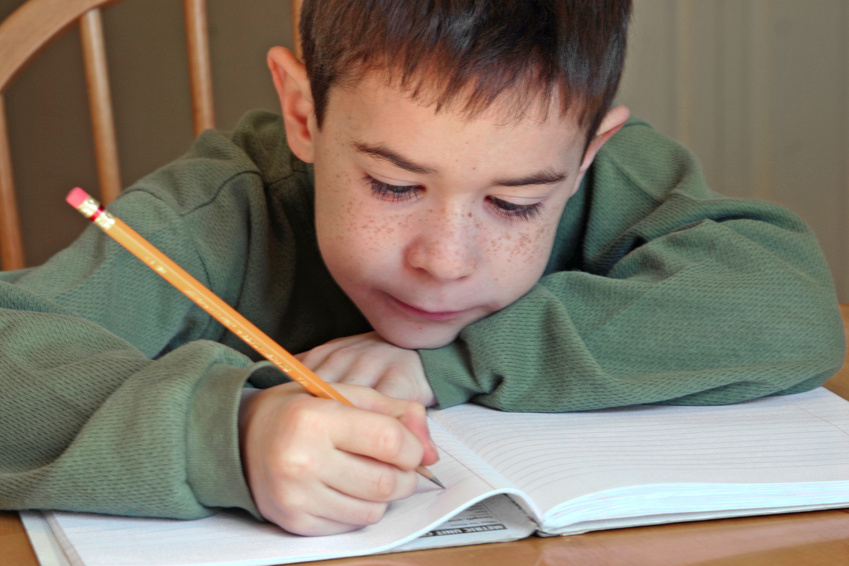
Don’t let your kids do open book tests. Some parents and correspondence courses allow this. I have a major FEAR of tests. Any sort of tests. I can first remember this fear in the 4th grade (I went to mainstream school that year). First I failed the test to get into the gifted class (I turned to the wrong page in the book so I did the wrong test, they would not allow me to retake the correct test). On top of that I was a nervous wreck the whole time to the point of shaking. Then later I got an F on a paper… the whole class did actually. I was devastated, since I always got straight A’s. That was the last year I went to school and the last time I had to challenge myself to a closed book test. So now as an adult, I still fear tests. I never got a chance to challenge myself to get over that fear. With my perfectionist personality, I would rather not try something than try and fail. I wish I had gotten opportunities to fail so that I would’t be so afraid of doing so, and of tests.
5. Open Communication
If your child wants to go to school, consider leaving the option on the table to be discussed. Find out why they want to go back, and see if you can adjust your techniques to make it more enjoyable for them. Try to reason with them to give homeschooling a year before they make their decision and to have an open mind. Ask them to talk about what they like about homeschooling and focus on those things often with them.
That is just a few things to mention for now. Please let us know your experiences homeschooling, as the student or the teacher.