
Last updated on September 30th, 2021 at 10:16 am
When measuring early childhood development, our parents’ generation were told things like, “everyone does things in their own time,” and “he’ll catch up when he feels like it or when the time is right; there is no rush.” To some degree all of these things are true; but as parents we also need to be able to use a common sense approach to our parenting.
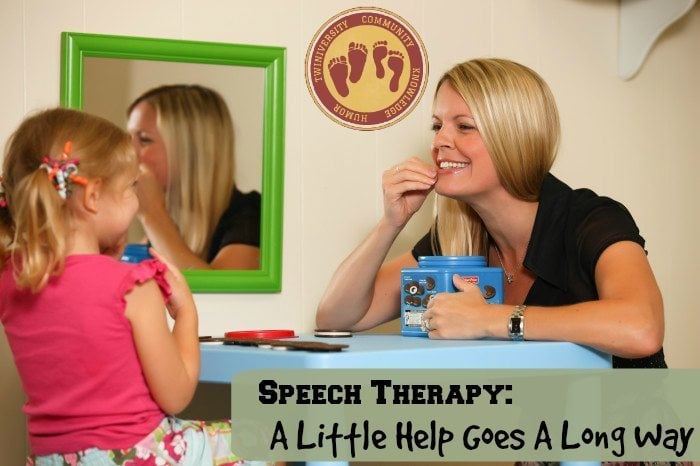
When my oldest was born at 37 weeks he had some medical concerns that needed to be monitored by MRI. He ended up going under anesthesia 8 times before he turned 13 months. At 14 months he was still not talking and wasn’t using any of the sign language I had been working so hard to teach him. We played with a large group of children the same age and I began to see the difference in development between him and his friends. People kept telling me not to worry about it and to stop comparing him to other children; but it was really nagging at me. I had a long talk with his pediatrician (coincidentally at a time when studies were coming out showing a link to anesthesia in children under 3 and developmental delays); and we both agreed that he was behind and could benefit from speech therapy or at the very least being evaluated rather than waiting to see if he caught up on his own. He referred me to the DDRC (Developmental Disabilities Resource Center) here in Colorado, and my son was in speech therapy for about 8 months before he graduated from the program.
 We had a few family members respond extremely negatively to our putting our son in therapy. They felt that we shouldn’t be pushing him so hard, and that we should have just let him develop at his own pace. One acquaintance at group playdates looked at him like he was a special needs child after me casually mentioning that he was in speech therapy. It was hard at first, but after I began to see amazing results from his therapy and I stopped thinking about what anyone else thought.
When my twins were born at 35 weeks my doctor told me that they could experience developmental delays because of their premature status and low birth weight. I waited and didn’t really see any signs until they were about a year old. Since a majority of twins are born before their due date, we parents are constantly trying to do the math to adjust their age to see where they might fit within the developmental milestones. I was seeing a lot of the same things that I saw in my older son, as well as some behavioral issues linked to their frustration with their inability to adequately convey their immediate wants and needs to me. This time I didn’t mull the idea over for weeks like I did with my oldest, asking everyone I knew what their opinion might be. I made the decision to at least have them evaluated and see where that took us.
 I called an intake number at the DDRC where they asked a series of questions about my concerns and the ages of my children. The next week I received letters with appointment dates and times for their hearing and vision screening as well as their overall evaluation. They do the hearing and vision screening first to rule them out as possible causes for delay.
For the overall evaluation we met with a team of 5 different types of therapists at the ChildFind office here in the county that I live in. They tested the twins for everything from fine motor to social skills. They played with my twins for about an hour and a half; asking me questions along the way. At the end they all met to finish writing up their notes, and do the final calculations to determine if my twins were (by the national standards) delayed in speech and, if so, by what percentage. In order to receive these free services my twins needed to individually be 25% or more delayed
When compared to other children at their adjusted age, they both tested at about a 34% delay. From that point the team went on to write an Individual Family Service Plan (IFSP) which detailed the initial therapy goals as well as the frequency and duration of the therapy visits. We were awarded 45 minutes for each child once a week.
 The therapy takes place in our home. We don’t have to attempt to pack everyone into the car and drive across town. It all happens at little or no inconvenience to me. Our therapist is amazing, and my twins are totally enamored with her. They look at her visits like a special play date filled with games and playtime. Best of all the appointments are with both twins at the same time. There is no segregating one, while the other has their therapy appointment and then switching. She teaches me new strategies each week to practice with the twins until our next appointment. Many of the things that I had learned when my oldest was in therapy didn’t apply to my twins. I had to remind myself that each child is different and they don’t all respond to the same tactics.
To find the program for your state ask your pediatrician, or simply search online for, “Early Childhood Intervention Program,” along with the name of your state. It should pop up within the first 5 returns. The most important thing to remember is that the services are free in some states, or low-cost based on a sliding scale (depending on your family’s gross income). The evaluation is always free. There is no harm to you or your child by getting a free vision, hearing, and overall developmental evaluation. As a bonus during this evaluation I found that one of my twins needed glasses. Had I not done this evaluation it may have been a year or more before I realized that he needed them. Since these programs are funded by State and National government they will not assign you therapy if your child doesn’t really need it. As a parent we hold several jobs; but in this case it is best to defer to the experts.
 These days there is so much pressure for our children to be able to read, write, count to 100, identify all colors in the rainbow, shapes on the planet and speak a little Spanish by the time that they enter Kindergarten. If they are not on the same level as their peers in terms of speech, this can set them behind before they have even started. Once a child enters school it becomes increasingly difficult to catch them up as they are constantly being presented with new material. If you have any concerns about your children I urge you to start a conversation with your partner and your children’s pediatrician. There is no shame in their being behind the norm. This is in no way a reflection on you as a parent, or your child’s intellect. Not all children are able to catch up on their own, and even if you are spending hours a day with them working on sounds and vowels it may not be what they specifically need to move forward.
By opening a dialogue about our own experiences with our friends and neighbors, we hope to make it known that there shouldn’t be any shame or judgment attached to children who need a little extra help or their parents for getting it for them. My oldest, now 4, is extremely articulate and sailing through preschool and loving every minute of it. You would never know that he was ever behind in anything; let alone speech. My twins surprise me every week with new sounds and words and are well on their way to catching up by the time that they turn 3.
Related Articles
Early Childhood Intervention: Helping Kids With Delays
When did your twins start talking?
 Destiny Effertz is a stay at home mom to 3 boys under 4. Prior to having children she worked as a paralegal in a large civil litigation firm. Now she uses those research and organizational skills formulating new pie recipes and planning family vacations.